ServicesAcquisition Financing Guidance
Acquisition Financing Guidance in Liberty Hill
Many deals that fall apart in underwriting were fundable from the start. The buyer just met the lender too late. We help you work out what you can borrow, how much cash you need at closing and how a seller note fits, before you sign a letter of intent.
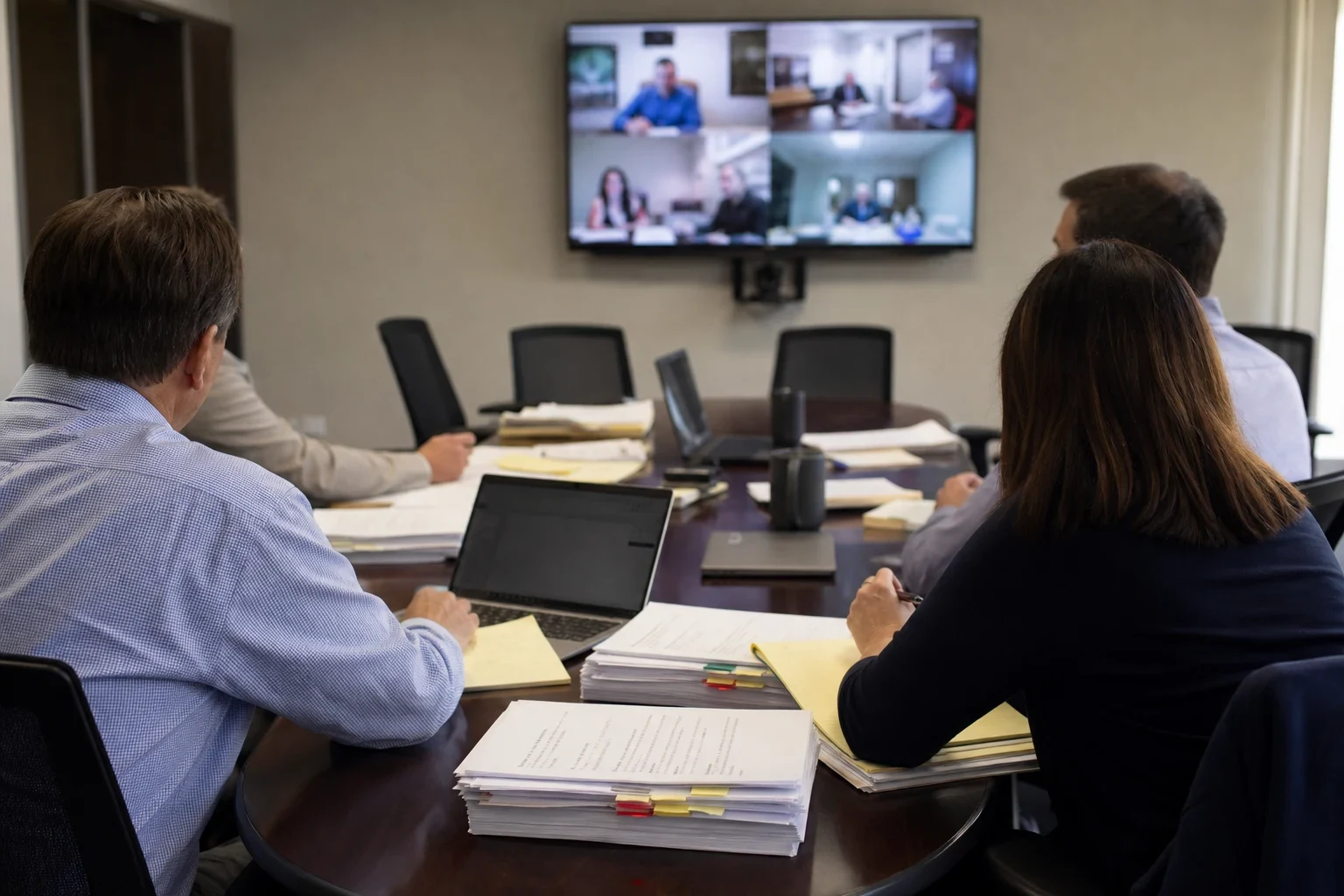
Know how the deal gets paid for before you make an offer
Acquisition financing guidance is advice, not a loan. We are not a lender. We help buyers of small and mid-sized businesses understand how a purchase is usually funded, which pieces they can realistically assemble and what a lender or seller will ask to see. Your offer is then built around money you can actually raise.
Most purchases combine several sources: buyer equity, a bank or SBA-backed loan and often a seller note that the owner carries for part of the price. Each has its own rules. Lenders underwrite to the business's cash flow, so the seller's tax returns and the debt service coverage ratio matter more than the asking price. Seller notes may need to be subordinated to the bank, and some lenders restrict when they can be paid.
The right time to call is before you fall for a listing. A buyer who knows their down payment, credit position and lender appetite can move quickly when a good business in Liberty Hill or Georgetown comes up, and sellers take that buyer more seriously.
What our financing guidance covers
- Buyer readiness review
- We go through your liquid cash, credit, management experience and personal financial statement the way an underwriter will. Gaps such as no industry background or cash tied up in retirement accounts are far easier to address months ahead than in the middle of a deal.
- Capital stack planning
- We sketch how a purchase could be split between your equity, senior debt and a seller note, and what monthly debt service that creates. You see whether the business's earnings cover the payments with enough left over to pay yourself.
- Seller financing terms
- We explain how seller notes are usually structured: term, interest, standby periods and subordination to the bank. On listings we represent, we can tell you whether the seller is open to carrying part of the price.
- Lender introductions and loan packages
- We point you toward lenders that regularly fund business acquisitions. Then we help you assemble what they request: tax returns, interim financials, a business plan, your résumé and the draft purchase agreement.
- Earnouts and working capital
- Some deals tie part of the price to future performance, and most need working capital at closing for payroll and inventory. We plan for both so the loan request covers the real cash need, not just the purchase price.
Signs it is time to sort out financing
You have a target but no lender conversation
If you are browsing listings and have not talked to a lender, you do not yet know your buying range. Offers built on guesses tend to stall in underwriting.
Your down payment is spread around
Cash in a 401(k), real estate equity or a partner's account can sometimes be used, but each route carries its own paperwork and timing. Sorting it out takes weeks, not days.
The seller's earnings rely on add-backs
Lenders fund on what the tax returns support. When adjusted earnings lean on add-backs a lender won't accept, the loan amount drops and the deal has to be restructured.
You are buying a franchise
Franchise resales add a franchisor approval step and transfer fees, and some lenders want to see the brand's track record. Planning for these keeps the closing date realistic.
A partner is part of the purchase
Two buyers mean two personal guarantees, two credit files and an agreement on who owns what. Lenders want that settled before they issue a commitment.
How a financing consultation works
- 1
Free consultation by phone or video
We talk through what you want to buy, your timeline and the cash and credit you have. No documents are needed for the first conversation, and it stays confidential.
- 2
Readiness and purchase range
We review your personal financial picture and estimate a realistic purchase range, based on typical lender requirements and the cash flow a business would need to carry the debt.
- 3
Deal-specific structure
Once you have a target, we test it: the seller's earnings, the proposed price, a possible seller note and the resulting debt coverage. If the numbers don't work, we say so and show what change would make them work.
- 4
Lender package and closing support
We help you organize the documents lenders ask for. Through closing, we keep the purchase agreement, loan commitment and seller note terms lined up so one doesn't contradict another.
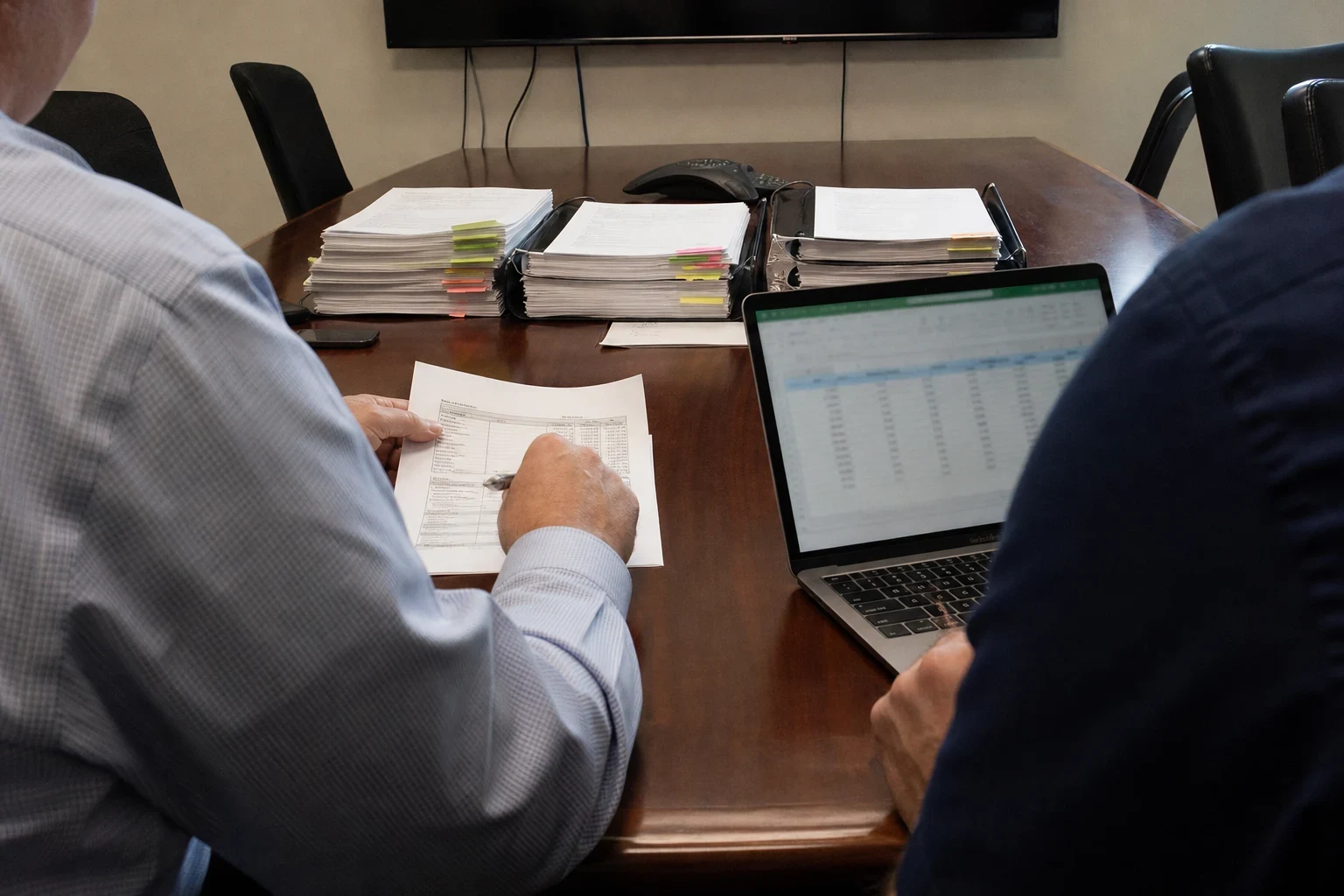
What moves the cost of financing a purchase
The consultation is free. We only get paid when the seller does, with no retainers and no hidden fees. The larger cost question is the financing itself, which varies with the deal and the buyer.
- Loan program and term
- SBA-backed loans usually allow longer terms than conventional bank loans, which lowers monthly payments but adds guarantee fees and paperwork. Terms can stretch further when real estate is part of the purchase, which we cover on our Business and Property Sales page.
- Size of your equity injection
- More cash in reduces the loan and the payment. Lenders also check where the cash came from, so gifted or borrowed funds can change the structure.
- Share carried by the seller
- A larger seller note can reduce what you borrow from the bank. Sellers often want a higher price or a shorter payoff in return.
- Business risk profile
- Steady, documented cash flow, low customer concentration and transferable contracts earn better terms. A business that depends on the owner's personal relationships is harder to finance.
- Collateral and guarantees
- Lenders typically require a personal guarantee and may take a lien on business assets or other property. Thin collateral can mean a higher rate or a smaller loan.
Acquisition financing questions
Something not covered here? (512) 982-9404
Do you lend money or arrange loans?
No. We are a business broker, not a lender. We help you understand your options, prepare for underwriting and connect with lenders who fund acquisitions. The lender makes the credit decision and sets the terms.
How much cash do I need to buy a business?
It depends on the loan program, the business and how much the seller will carry. Lenders generally expect a meaningful cash injection from the buyer plus working capital reserves. We work through your actual numbers in the consultation so you leave with a range instead of a rule of thumb.
Will a seller really finance part of the price?
Many do, especially owners who want steady income after the sale or need to close a gap between the asking price and what a lender will fund. A seller note also signals the owner expects the business to keep performing. Terms are negotiated, and the bank may require the note to sit behind its loan.
Can I get financing if I have never owned a business?
Often yes, if you have related industry or management experience and the business has a capable team staying on. Lenders weigh transferable skills, and a transition period with the seller helps. We can tell you how your background is likely to read to an underwriter.
How long does acquisition financing take?
Expect several weeks to a few months from a signed letter of intent to funding, depending on the lender, the program and how quickly documents come together. Buyers who prepare their package before finding a business usually close faster.
Get your financing plan in place first
A free, confidential consultation shows you what you can afford and what lenders will want to see. Ask about buyer registration too, since new listings go to registered buyers first.