ServicesFranchise Resales
Franchise Resales in Liberty Hill
Selling a franchise unit means two approvals, not one: a buyer who wants it and a franchisor who signs off. We read your franchise agreement first, line up the transfer requirements, and bring qualified buyers who can clear the franchisor's review.
How a franchise resale differs from a regular business sale
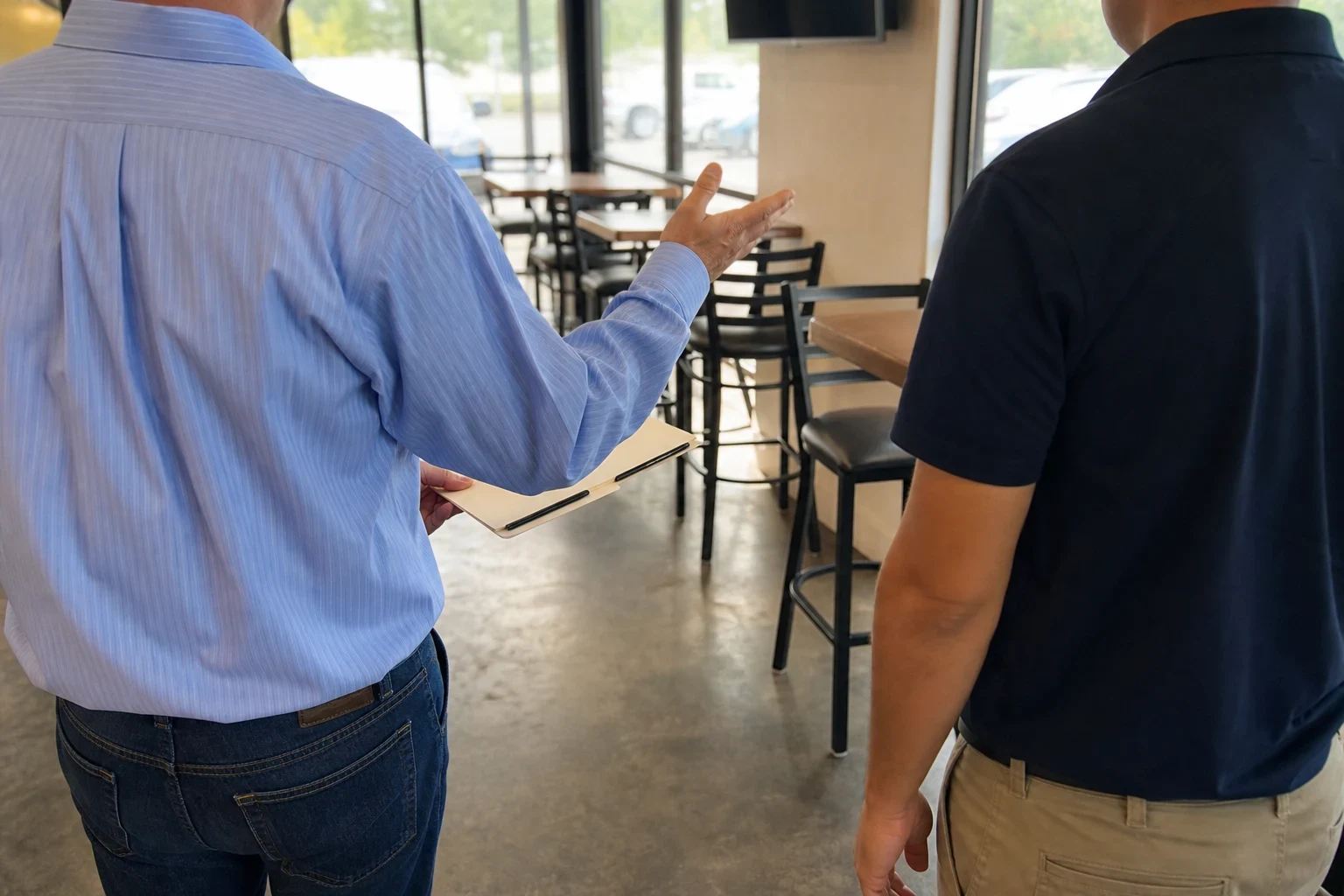
A franchise unit is not fully yours to sell on your own terms. The franchise agreement sets the rules: the franchisor usually holds a right of first refusal, charges a transfer fee, sets minimum net worth and liquidity for the incoming owner, and requires that buyer to complete its training program. Some systems also require a remodel or equipment refresh at transfer. Each of these affects the price, the timeline and who can realistically buy.
We work through those terms before the listing is written, so the asking price reflects the remaining term on your agreement, any renewal conditions and the cost of any required upgrades. A seller who finds out about a mandatory refresh during due diligence often gives back money at the closing table.
For buyers, a resale offers something a new unit can't: an operating history. We help you read that history against the franchisor's disclosure document so you know what you are paying for. If you are still deciding between a franchise and an independent business, our Buy a Business page covers the broader search.
What our franchise resale work includes
- Franchise agreement review
- We pull out the transfer clause, right of first refusal, transfer fee, remaining term and renewal conditions. These terms set the ground rules for the whole deal.
- Valuation built on unit-level numbers
- We value the unit on its own seller's discretionary earnings, after royalties, ad fund contributions and technology fees. Comparing a unit to system averages alone can mislead both sides.
- Buyer screening against franchisor criteria
- Before a buyer sees confidential details, we check their capital and background against the franchisor's published qualifications. It saves weeks spent on buyers the franchisor would decline.
- Franchisor coordination
- We keep the franchisor's transfer or development team informed, deliver the buyer application package and track training dates, so approval doesn't stall the closing.
- Lease assignment
- Most units operate from leased space. We raise the landlord's consent and any personal guaranty early, since a lease that can't be assigned can end a deal late.
- Financing preparation
- Many franchise brands are familiar to SBA lenders, which can help a buyer's loan move. Our Acquisition Financing Guidance page explains how we help buyers prepare a lender package.
Signs it's time to plan a franchise resale
Your renewal date is getting close
Renewal often comes with a new agreement and a required remodel. Selling before that point, or pricing it in, keeps you from funding upgrades you won't benefit from.
The franchisor announced a system refresh
New signage, point-of-sale or equipment standards cost money. Buyers will discount for them, so it's better to know the scope before you set a price.
You want to retire or step back
Most franchise agreements require an approved operator. If you are planning to leave daily operations, a sale lets you exit on a schedule instead of under a default notice. Our Exit Planning page goes deeper on timing.
You own more than one unit
Multi-unit owners sometimes sell one location to fund growth or simplify. Each unit has its own agreement and lease, and each transfer is reviewed separately.
Revenue is steady, not slipping
The best time to sell is while the trailing twelve months look good. Buyers and lenders price a unit on its recent numbers.
How a franchise resale moves from first call to closing
- 1
Consultation and document review
We start with a confidential conversation, then review your franchise agreement, lease and three years of financials. You'll know early what the franchisor will require of a buyer.
- 2
Valuation and pricing
We recast your financials, account for remaining term, transfer fee and any required upgrades, and set a price that a qualified buyer and their lender can support.
- 3
Confidential marketing
Your unit is described by brand category and general area, never by name or street location. Buyers already registered with us get the first look at each new listing, and nobody receives the details until they sign a confidentiality agreement.
- 4
Offer, franchisor approval and diligence
Once terms are agreed, the buyer applies to the franchisor while diligence and financing run in parallel. We coordinate the right of first refusal period and training schedule.
- 5
Closing and transfer
Closing documents, lease assignment and the franchisor's transfer paperwork come together on one date. The new owner takes over with training complete.
What moves the value of a franchise unit
Our own arrangement is plain. You sign no retainer, no fees get added later, and our pay comes only from a completed sale, so putting your unit on the market with us costs nothing up front. What changes your net result is mostly set by the franchise system and the unit itself.
- Transfer fee and franchisor costs
- The franchisor's transfer fee and training charges are set in the agreement. Who pays them is negotiated, and it shifts the net proceeds.
- Remaining agreement term
- A unit with many years left is worth more than one near expiration, because the buyer isn't facing an early renewal decision.
- Required upgrades at transfer
- A mandatory remodel or equipment refresh is a real cost to someone. Buyers reduce their offer to cover it unless it's already done.
- Lease terms
- Years remaining, renewal options and rent escalations all affect what a buyer will pay and whether a lender will finance the deal.
Franchise resale questions
Something not covered here? (512) 982-9404
Does the franchisor have to approve my buyer?
Almost always, yes. Most agreements require the buyer to meet financial and experience standards, go through the franchisor's application review and complete training. We screen buyers against those standards before sharing confidential details.
What is a right of first refusal?
It lets the franchisor match an accepted offer and buy the unit itself. It is rarely used, but the review period adds time, so we build it into the closing schedule.
Can I sell my franchise without telling employees or customers?
Yes. We market the unit confidentially, without naming the brand location, and every buyer signs a confidentiality agreement first. Staff are usually told close to the transfer.
Is buying a resale better than opening a new unit?
It depends on what you value. A resale comes with customers, staff and real financials a lender can review, while a new unit has no history but a fresh build-out. We walk buyers through both sides during a free consultation.
How long does a franchise resale take?
Plan for longer than a typical business sale, because franchisor approval and training sit on top of financing and diligence. Starting with a clean document package is the most reliable way to shorten it.
Know the transfer rules before you list
Tell us your brand, your agreement dates and your goals. We'll explain what your franchisor will require and what a buyer is likely to pay, at no cost to you.